Physics Intelligence for Vehicle and Component Engineering
Evaluate electronics cooling, thermo-mechanical response, vibration, forming, and impact across vehicle and component designs. Connect your computational models and experimental data with Physics Intelligence to explore designs and process conditions against performance targets.
Talk to an Expert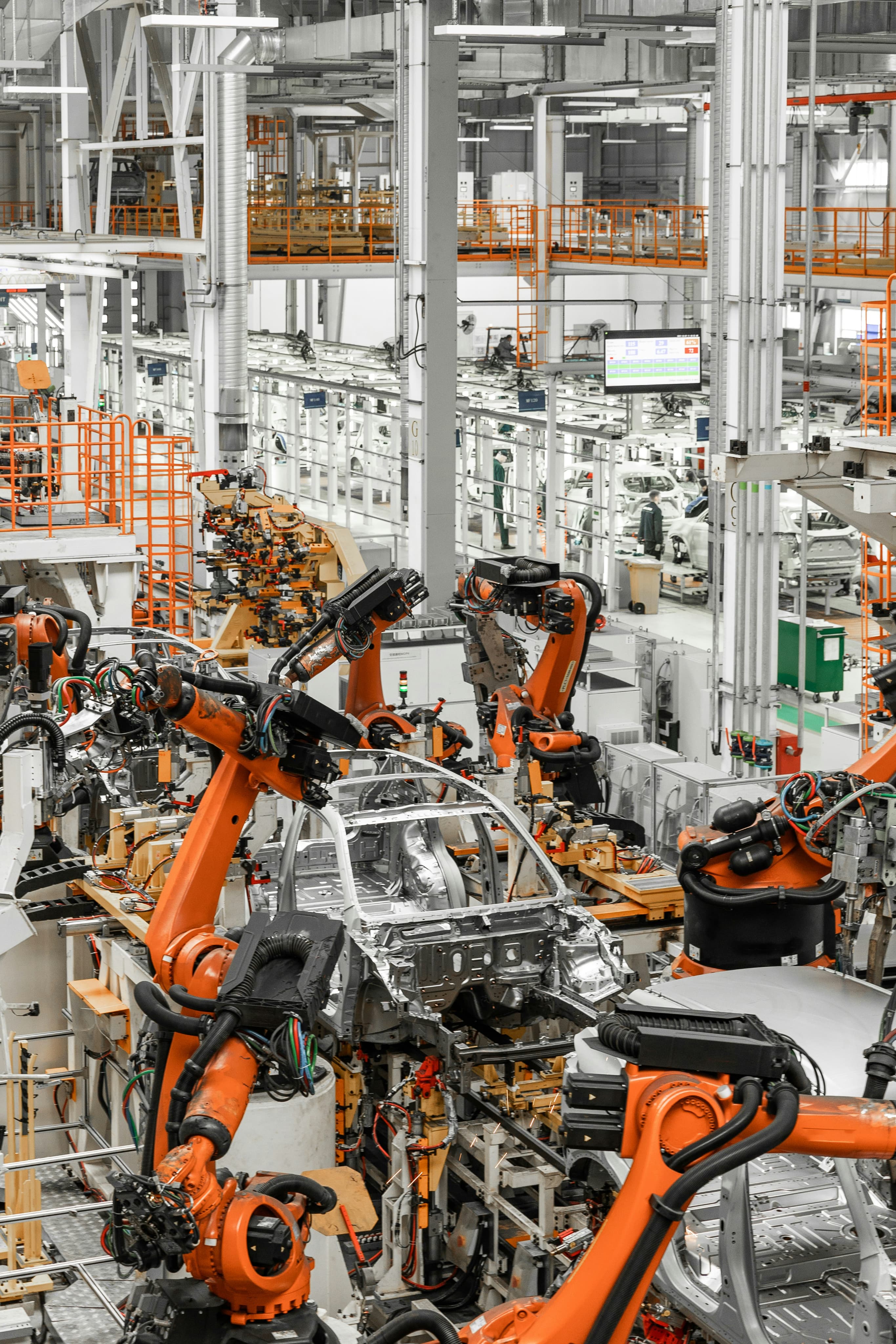
Shared Foundation Across Industries
Applications
Evaluate automotive electronics cooling, engine thermo-mechanical response, structural vibration and fatigue, press forming, and crash behavior across designs, materials, and operating conditions. Connect your computational models and experimental data with Physics Intelligence in a solution customized for repeated prediction and design exploration against performance targets.
Automotive Electronics Cooling
Evaluate heat transfer from electronic heat sources through the PCB and housing, together with surrounding air or coolant flow. Compare cooling geometry, material properties, and operating conditions to reduce hot spots, thermal resistance, and pressure losses.
Engine Thermo-Mechanical Response
Connect engine temperature distributions, pressure loads, and thermal cycles with thermal stress and deformation. Compare temperature-dependent material properties and operating conditions to evaluate thermo-mechanical response and dimensional stability under repeated loading.
Structural Vibration & Fatigue
Evaluate modal response, vibration, and dynamic stress across excitation frequencies and loading histories. Connect predicted responses with your simulation, test data, and fatigue assessment models to compare how geometry, stiffness, and damping affect durability.
Press Forming & Material Response
Evaluate plastic strain, thickness changes, and springback after press forming. Compare material properties, geometry, pressing conditions, and friction to guide improvements in forming behavior and final dimensional accuracy.
Crash & Nonlinear Impact
Evaluate large deformation, stress, and impact response as collision, contact, and material conditions change. Compare load transfer and deformation over time to explore design alternatives that meet mechanical performance requirements.
Our Partners
Hyundai Wia leveraged its accumulated simulation data to develop AI solvers, significantly streamlining the traditionally lengthy process of creating meshes, setting boundaries, and running solvers. Using AI Solver, they can now simply input new design files and rapidly obtain simulation results, dramatically transforming their workflow.
Learn More >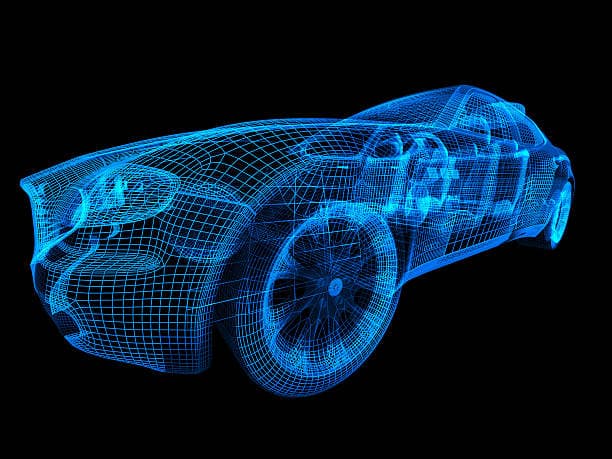
Mando is one of the leading automotive parts suppliers and has rebuilt its engineering processes with SolverX. By creating AI solvers, the company can now obtain simulation results even when working with new designs or boundary conditions. This accelerated simulation process enables significantly more simulations for product development and problem analysis, benefiting the entire engineering team.
Learn More >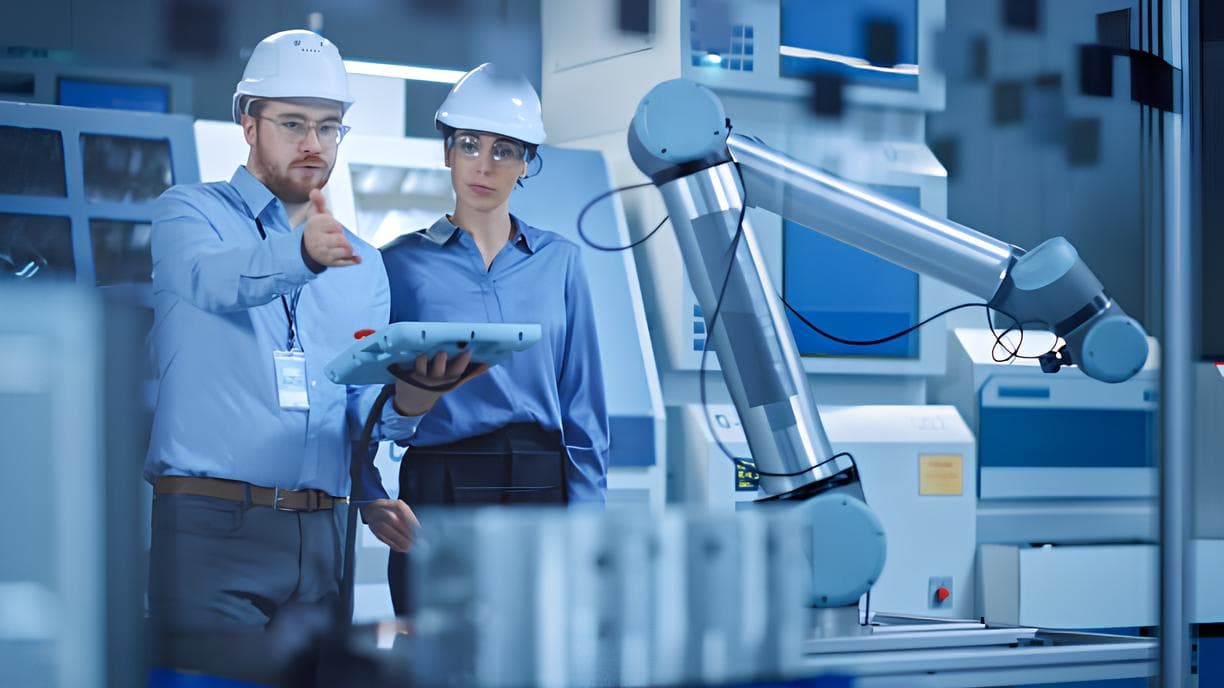

your engineering process